
Do You Need Garden Drainage Before Patio Installation or a New Lawn? 7 Signs to Look For
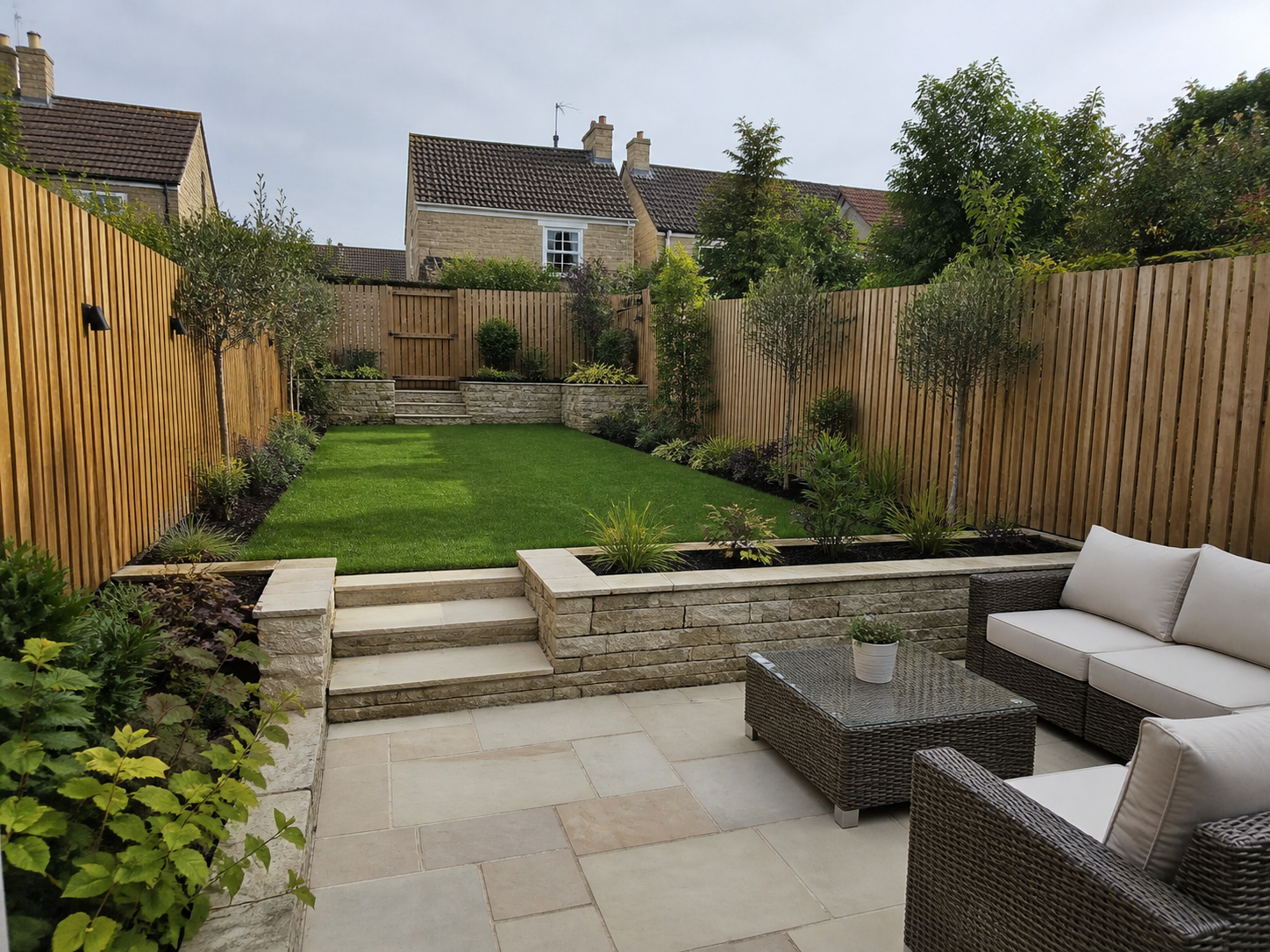
If you are planning a new patio or lawn, it is worth checking for drainage problems first. Garden drainage before patio installation is one of the most overlooked parts of landscaping, yet it can have a big impact on how well the finished garden performs in wet weather. If the ground already holds water, puddles, soft spots and muddy areas can still cause problems after new surfaces are laid.
At N & S Landscapes, we provide garden drainage, patio installation, garden landscaping and turfing work from Great Somerford, Chippenham across nearby towns. For homeowners investing in an outdoor upgrade, identifying drainage issues early can help avoid extra cost, unnecessary disruption and disappointing results later on.
Why garden drainage before patio installation matters
A patio is only as good as the ground below it
Even attractive paving can underperform if water has nowhere sensible to go. Standing water can leave surfaces messy, slippery and less enjoyable to use, especially after periods of rain. Poor drainage can also make ground preparation harder and increase the chance of uneven settling over time.
Lawns need the right conditions to establish
New turf and lawns do not thrive in constantly saturated ground. If the soil stays too wet for too long, roots may struggle to establish evenly, which can leave patchy, muddy or thin areas.
It is usually easier to solve drainage at the start
Drainage is often most straightforward to address while the garden is being prepared. Once paving or turf has been laid, correcting the same issue can mean lifting finished areas and repeating part of the job.
7 signs homeowners should look for before a new patio or lawn
Some gardens show obvious warning signs. Others only reveal a problem after sustained rain. Before you commit to a project, look out for the following.
1. Puddles that sit for hours or days
If water lingers well after the rain has stopped, the ground may not be draining effectively. This is one of the clearest signs that drainage should be considered before any patio or lawn work begins.
2. Soft, boggy or spongy ground underfoot
A lawn or border that squelches when you walk across it often points to water being held near the surface. That can make groundwork more difficult and affect how a new lawn performs.
3. Water running towards the house or patio doors
Surface water should move away from buildings in a controlled way. If rainwater tracks back towards the property, levels may need correcting before new paving is installed.
4. Existing paving that stays green or slippery
Moss, algae and persistent damp patches on older paving can suggest poor falls, trapped moisture, shade or a combination of all three. A replacement patio should address the cause, not just the appearance.
5. Bare, muddy or thinning grass
Repeated muddy patches are not always caused by foot traffic alone. In some gardens, the real issue is soil that stays too wet for too long, especially in low spots.
6. Sunken areas or obvious low points
If one section of the garden always seems lower than the rest, water will naturally collect there. A patio or lawn laid over the same dip may inherit the same problem.
7. Water collecting near walls, fences or boundaries
Pooling water around edges can point to poor overall levels or limited run-off. It is worth understanding where the water is coming from and where it can be directed safely before a new surface is added.
Do all gardens need drainage work before a new patio or lawn?
No. Some gardens only need thoughtful preparation, correct levels and the right base construction. Others need a more deliberate drainage solution built into the wider landscaping plan.
Factors that often increase the likelihood of drainage issues include:
Heavy clay soil that holds water for longer
Low-lying gardens or sections at the bottom of a slope
Large areas of paving or hard landscaping
Compacted ground that drains slowly
Shaded areas that remain damp for longer
Previous problems with puddling, mud or surface water
The main point is simple: drainage should be considered before work starts, not after the finished surface is down.
What can happen if drainage is ignored?
Ignoring a drainage issue does not always cause immediate failure, but it can create avoidable problems that spoil the result and add cost later.
More standing water on a new patio: If the falls are wrong or the surrounding ground stays saturated, puddling can still be a problem.
A lawn that struggles to establish: Waterlogged soil can lead to patchiness, mud and inconsistent growth.
Slippery, messy outdoor surfaces: Damp, shaded areas often stay greener and dirtier for longer.
Ground that is harder to maintain: Wet areas can become churned up more easily in winter and during regular use.
Paying twice: Fixing drainage after the patio or lawn is installed can mean lifting, reworking or replacing part of the finish.
How to plan garden drainage before patio installation
Good results usually come from looking at the whole garden rather than treating the patio, lawn and drainage as separate jobs.
Start with levels and layout
The direction of falls matters. A patio should be designed so that water is encouraged to move away from the property and not sit in low spots. The same principle applies to adjoining paths, lawn edges and surrounding areas.
Think about how each area will be used
A seating area, a main walkway and a lawn all handle water differently. The right preparation for each zone depends on its purpose, the ground below and how much hard surfacing is being added to the garden.
Consider drainage as part of the build, not an add-on
Depending on the site, the answer may be as simple as reshaping levels during groundwork. In other cases, drainage channels or other measures may be needed so water has a clearer route away.
If you are planning patio installation, new paving or a wider garden refurbishment, it makes sense to review drainage at the same time. Homeowners dealing with soggy ground may also benefit from professional garden drainage alongside turfing and lawn installation or broader garden landscaping.
When to get advice before starting work
You do not need to wait until the garden is unusable. It is worth getting advice early if:
You are replacing an old patio that already puddles
You want a new lawn but the garden stays wet after ordinary rainfall
You are redesigning levels, adding retaining features or increasing paved areas
You have noticed water moving towards the house
You want to avoid spending money on a finish that may not perform as expected
For homeowners in Chippenham and surrounding areas, early planning can make the whole project more straightforward and help avoid unnecessary rework.
Why homeowners choose N & S Landscapes for complete outdoor projects
N & S Landscapes is a family-run landscaping firm based in Great Somerford, Chippenham, operated by two brothers. We provide garden drainage, patio installation, paving and path installation, garden redesign and refurbishment, driveways, fencing, walling, stonework and turfing across Chippenham and surrounding towns within around a 30 to 35 mile radius.
Because we handle a wide range of outdoor services, homeowners can get practical advice that considers the bigger picture rather than one surface in isolation. Whether you are planning a small upgrade or a larger garden makeover, addressing drainage at the right stage can help create a more usable outdoor space.
Frequently asked questions
Can you lay a patio on a soggy garden?
A patio can sometimes be installed on a challenging site, but soggy ground should be assessed first. If water is sitting in the area or the levels are poor, drainage or groundwork adjustments may be needed before paving goes down.
Do I always need drainage before laying a new lawn?
Not always. Some lawns only need good preparation and the right levels. If the ground regularly becomes waterlogged or muddy, however, drainage may be worth considering before turf is laid.
What is the main sign of poor garden drainage?
The most obvious sign is standing water that lingers after rain. Other clues include boggy ground underfoot, muddy patches, mossy paving and low spots that repeatedly stay wet.
Is it cheaper to deal with drainage before patio installation?
In many cases, yes. It is generally more efficient to address drainage during the preparation stage than after a patio or lawn has already been completed and may need lifting or altering.
Do you cover areas outside Chippenham?
Yes. We are based in Great Somerford, Chippenham and work across surrounding towns within around a 30 to 35 mile radius.
Conclusion
If you are planning a new patio or lawn, do not ignore the ground conditions underneath. Looking at garden drainage before patio installation can help prevent puddles, boggy turf, wasted spend and unnecessary disruption later.
If you have noticed soggy areas, poor run-off or water sitting where you want to build, contact N & S Landscapes for practical advice on garden drainage, patio installation and lawn preparation. As a family-run landscaping business based in Great Somerford, Chippenham, we help homeowners create outdoor spaces that work better from the ground up.
Comments